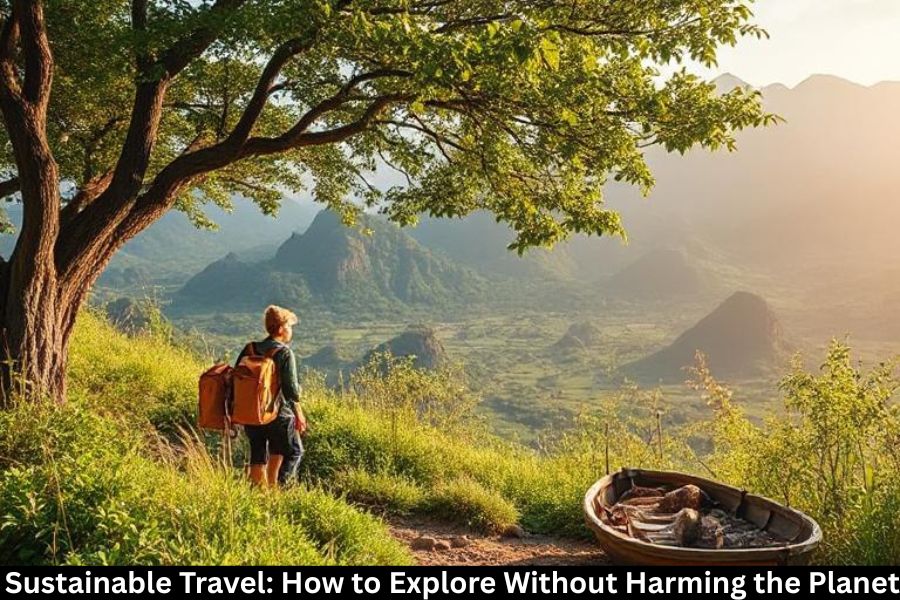
Travel opens our eyes to the world’s beauty — from crystal-clear oceans to majestic mountains and vibrant cities. But as tourism grows, so does its impact on the environment. Air pollution, plastic waste, and overtourism threaten the very places we love to visit. The good news? You can still explore the world responsibly. Sustainable travel is all about making mindful choices that protect nature, support local communities, and ensure future generations can experience the same wonders.
Here’s how you can explore the planet — without harming it.
Choose Eco-Friendly Transportation
Air travel contributes significantly to carbon emissions, so whenever possible, opt for trains, buses, or shared rides. If you must fly, choose direct flights (they use less fuel) and consider offsetting your carbon footprint through reputable programs.
For local exploration, walk, cycle, or use public transport — it’s not only eco-friendly but also lets you experience destinations more authentically.
Stay in Sustainable Accommodations
Look for hotels and lodges that follow eco-friendly practices — such as solar power, waste reduction, and water conservation. Certifications like Green Key, EarthCheck, or LEED can help you identify responsible stays.
You can also support smaller, family-run guesthouses and eco-lodges that invest in local communities and protect nearby ecosystems.
Travel Light and Pack Green
Every kilo counts when traveling — lighter luggage means less fuel burned in transport. Pack reusable essentials like:
- A water bottle to avoid single-use plastics
- Reusable bags and utensils
- Eco-friendly toiletries (solid shampoo bars, bamboo toothbrushes)
These small swaps help reduce plastic waste that often ends up polluting beaches and oceans.
Respect Local Cultures and Communities
Sustainability isn’t just about the environment — it’s also about people. Support local artisans, markets, and restaurants instead of international chains. Learn a few words in the local language, dress appropriately, and always ask before taking photos of locals.
When you spend money in local communities, you help preserve cultural heritage and boost local economies.
Be Mindful of Wildlife
Avoid attractions that exploit animals — such as elephant rides, tiger selfies, or marine parks with captive dolphins. Instead, support ethical wildlife sanctuaries and conservation projects where animals are protected and not used for entertainment.
Always observe wildlife from a respectful distance and never feed wild animals.
Reduce Waste While Traveling
Simple habits make a big difference:
- Say no to plastic straws and single-use cutlery.
- Bring your own coffee cup and refillable bottle.
- Dispose of waste responsibly and recycle whenever possible.
Many destinations now have recycling programs or “pack in, pack out” policies to protect natural spaces.
Travel During Off-Peak Seasons
Overtourism can strain local resources, damage natural habitats, and make popular destinations unpleasantly crowded. Traveling during off-peak seasons not only reduces your environmental footprint but also supports local businesses year-round.
Support Conservation Efforts
Consider volunteering or donating to conservation programs in the areas you visit. Whether it’s planting trees, participating in a beach cleanup, or supporting eco-friendly NGOs, your contribution can create a lasting positive impact.
Offset Your Carbon Footprint
No travel is 100% emission-free, but you can balance your impact. Many organizations allow you to offset your carbon emissions by investing in reforestation, renewable energy, or carbon capture projects. It’s a small cost for a huge environmental benefit.
Lead by Example
Sustainable travel starts with awareness. By making conscious choices — and sharing them with others — you inspire more travelers to do the same. The more people practice responsible travel, the greater the positive impact on the planet.
Final Thoughts
Sustainable travel isn’t about giving up comfort or adventure — it’s about traveling smarter and more respectfully. By being mindful of your actions, supporting local communities, and protecting the environment, you can make every journey meaningful and responsible. Remember: the world is not just ours to explore — it’s ours to protect