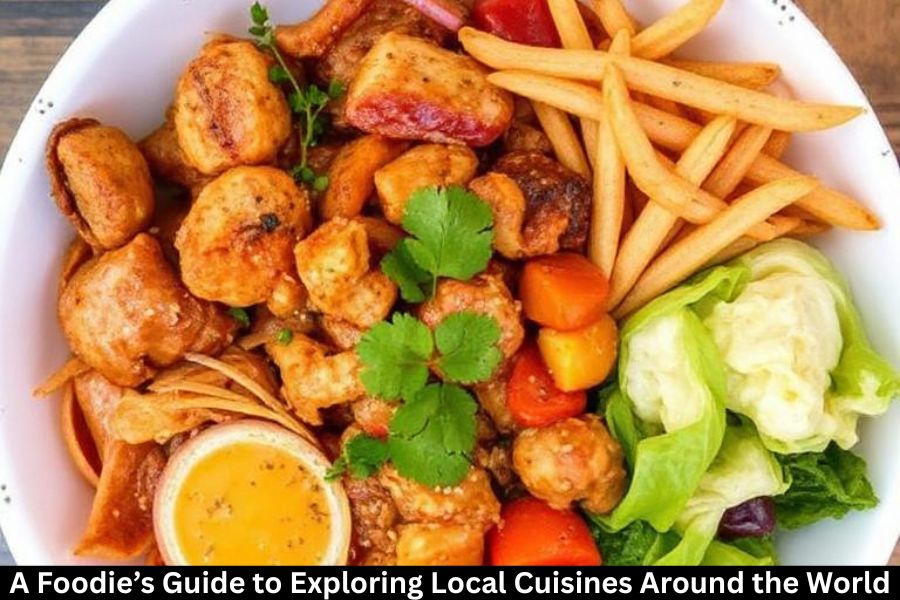
Food is more than just a meal — it’s a story, a tradition, and a connection to culture. For travelers, one of the most exciting parts of any journey is tasting new flavors and discovering how people around the world express their heritage through food. Whether you’re slurping noodles in Asia, savoring street food in Latin America, or sampling pastries in Europe, every dish tells you something about the place it comes from.
Welcome to A Foodie’s Guide to Exploring Local Cuisines Around the World — your passport to global flavors, authentic dining, and unforgettable culinary experiences.
Asia: A Symphony of Spices and Street Food
Thailand – Famous for its balance of sweet, spicy, sour, and salty flavors. Don’t miss classics like Pad Thai, Tom Yum soup, and mango sticky rice. Explore Bangkok’s night markets for an explosion of street food.
Japan – Beyond sushi, Japan’s culinary world includes comforting bowls of ramen, crispy tempura, and savory okonomiyaki. Visit local izakayas for small plates paired with sake.
India – A paradise for spice lovers. Each region has its signature dishes — from butter chicken in Delhi to dosa in the South. Eating from traditional thali platters is an experience in itself.
Europe: Timeless Traditions and Modern Flavors
Italy – No country captures food culture like Italy. Enjoy handmade pasta in Rome, pizza in Naples, and gelato anywhere. Italians cook with passion and simplicity — focusing on quality ingredients.
France – A dream for fine dining lovers. From croissants and cheese to escargot and wine, France is a gourmet’s heaven. Visit local bakeries and farmers’ markets for the best flavors.
Spain – Tapas culture encourages sharing and tasting. Try paella in Valencia, jamón ibérico, and churros con chocolate. Don’t forget to enjoy sangria on a sunny afternoon.
The Americas: Diverse, Bold, and Flavor-Packed
Mexico – Mexican cuisine is colorful, spicy, and deeply rooted in tradition. Feast on tacos al pastor, mole, tamales, and street corn (elote). Local markets are the heart of authentic flavor.
Peru – A rising star in world gastronomy. Try ceviche, lomo saltado, and aji de gallina. Lima is a global food capital with award-winning restaurants and indigenous ingredients.
United States – Each region has its specialty: deep-dish pizza in Chicago, barbecue in Texas, seafood in Maine, and soul food in the South. The U.S. is a true melting pot of culinary traditions.
The Middle East: Aromatic, Warm, and Flavorful
From the smoky aroma of grilled meats to the sweet taste of baklava, Middle Eastern cuisine is rich in culture and hospitality.
Lebanon – Known for hummus, tabbouleh, and shawarma. Lebanese food emphasizes freshness and vibrant flavors.
Turkey – Enjoy kebabs, meze platters, and Turkish delight. Don’t miss sipping Turkish tea or coffee at a traditional café overlooking a bustling bazaar.
Morocco – The land of tagines, couscous, and mint tea. The blend of spices like saffron, cumin, and cinnamon creates dishes that are both hearty and aromatic.
Africa: A Continent of Culinary Treasures
Ethiopia – A unique dining experience awaits. Meals are shared from a large plate using injera, a spongy flatbread. Try doro wat (spicy chicken stew) and shiro.
South Africa – Known for its “braai” (barbecue) culture. Sample biltong, bunny chow, and the Cape Malay curries that reflect the nation’s diverse influences.
Morocco – A second mention is well-earned! The combination of African, Arab, and Mediterranean flavors makes it one of the most exciting cuisines in the world.
Oceania: Fresh, Local, and Naturally Flavorful
Australia – A fusion of global influences. From fresh seafood to farm-to-table dining, it’s all about sustainability and creativity. Try avocado toast, flat white coffee, and local wines.
New Zealand – Known for lamb dishes, pavlova, and indigenous Māori cuisine (hangi, a traditional earth-cooked meal). The focus is on fresh, natural ingredients.
Tips for Culinary Travelers
- Eat where the locals eat – Small markets and street vendors often serve the most authentic dishes.
- Take a cooking class – Learn how to make local recipes and bring flavors home with you.
- Try something new – Whether it’s fried insects in Thailand or fermented foods in Korea, embrace the adventure.
- Respect local customs – Learn dining etiquette to show appreciation for local culture.
Final Thoughts
Exploring the world through food is one of the most delicious ways to connect with different cultures. Every bite tells a story — of history, geography, and people. So next time you travel, skip the tourist traps and dive into the heart of a destination through its flavors.
Because to truly know a place, you must taste it.