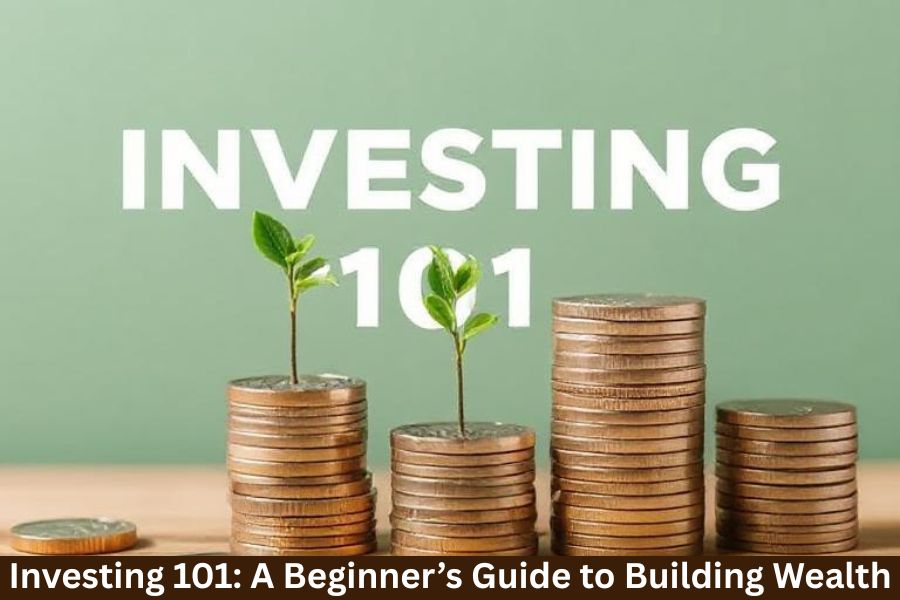
Investing is one of the most effective ways to build long-term wealth and achieve financial freedom. Yet, for many beginners, the idea of investing can seem intimidating or confusing. The good news is that anyone can learn to invest smartly with the right mindset and understanding of the basics. This guide will help you take your first confident steps toward a more secure financial future.
Why Investing Matters
Simply saving money isn’t enough to grow your wealth. Inflation slowly reduces the purchasing power of your cash over time. Investing allows your money to work for you—generating returns and building value through assets like stocks, bonds, real estate, and mutual funds.
The earlier you start investing, the more time your money has to compound—meaning your earnings generate even more earnings. Time is your greatest ally in wealth building.
Understand Your Financial Goals
Before investing, define your goals. Are you saving for retirement, a home, or your child’s education? Knowing your purpose helps determine how much risk you can take and which investments are right for you. Short-term goals may require safer, more liquid investments, while long-term goals can benefit from higher-risk, higher-return options.
Know the Types of Investments
Here are the most common types of investments for beginners:
- Stocks: Ownership in a company. Stocks offer high growth potential but come with higher volatility.
- Bonds: Loans to companies or governments. These are lower-risk and provide steady returns.
- Mutual Funds: Pooled investments managed by professionals. Great for diversification.
- ETFs (Exchange-Traded Funds): Similar to mutual funds but traded like stocks. They’re low-cost and flexible.
- Real Estate: Property investments can generate rental income and appreciate over time.
Start Small and Stay Consistent
You don’t need thousands of dollars to begin investing. Many online platforms and apps allow you to start with small amounts—even as little as $10. The key is consistency: invest regularly through methods like dollar-cost averaging, which helps reduce the impact of market fluctuations.
Diversify Your Portfolio
“Don’t put all your eggs in one basket.” Diversification spreads your investments across different assets, reducing risk. If one investment performs poorly, others can help balance the loss. A well-diversified portfolio offers stability and long-term growth potential.
Understand Risk and Reward
All investments carry some level of risk. Generally, higher returns come with higher risks. Assess your risk tolerance—your ability and comfort with handling market ups and downs—and invest accordingly. A mix of conservative and growth investments is often ideal for beginners.
Educate Yourself and Stay Patient
Successful investing requires patience and continuous learning. Markets will rise and fall, but staying calm and focused on your goals will pay off. Avoid emotional decisions, and remember that investing is a marathon, not a sprint.
Conclusion
Investing is not just for the wealthy—it’s for anyone who wants to secure a better financial future. By starting early, staying consistent, and learning the basics, you can harness the power of compounding and watch your wealth grow over time. The journey to financial freedom begins with one simple step: start investing today.