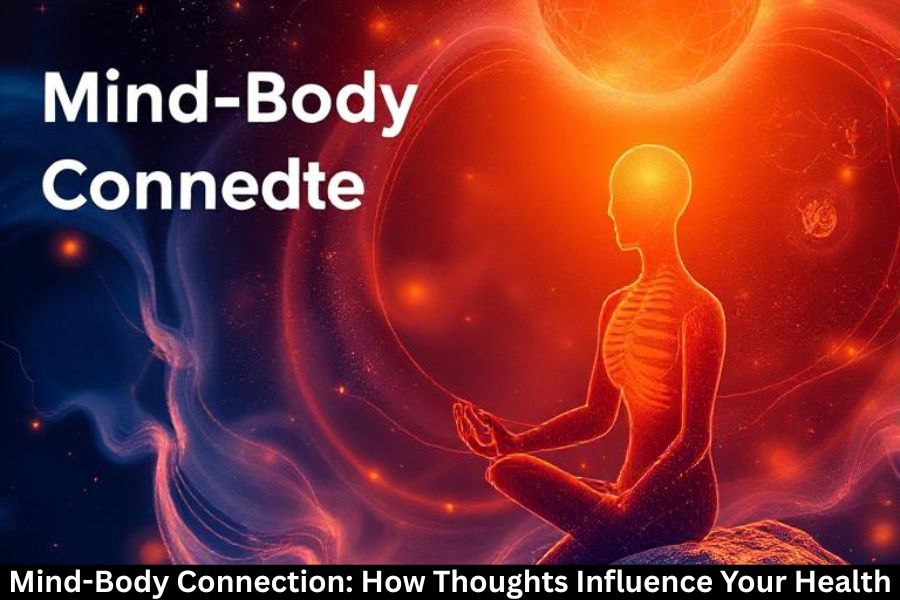
The link between the mind and body is powerful—our thoughts, emotions, and beliefs can profoundly influence our physical health. While medicine treats the body, true well-being also depends on mental and emotional balance. Understanding the mind-body connection can help you live a healthier, happier, and more harmonious life.
The Science Behind the Mind-Body Connection
Your brain and body constantly communicate through a complex network of nerves, hormones, and chemical signals. When you experience stress, for example, your body releases cortisol and adrenaline—hormones that prepare you for “fight or flight.” Over time, chronic stress can weaken your immune system, raise blood pressure, and increase the risk of disease. Positive emotions, on the other hand, trigger the release of endorphins and serotonin, which boost immunity and promote healing.
How Thoughts Affect Physical Health
Negative thinking patterns can manifest as physical symptoms—fatigue, headaches, muscle tension, or digestive issues. Similarly, anxiety and depression can contribute to heart problems, inflammation, and sleep disturbances. By shifting your mindset toward optimism and self-compassion, you can help your body function more smoothly and recover faster from illness.
The Role of Mindfulness and Meditation
Practices like meditation, deep breathing, and yoga strengthen the mind-body connection. These techniques reduce stress, calm the nervous system, and increase self-awareness. Just a few minutes of mindful breathing each day can lower heart rate, improve focus, and bring a sense of peace. Over time, mindfulness helps rewire the brain for positivity and resilience.
The Power of Positive Thinking
Positive thinking doesn’t mean ignoring challenges—it means facing them with confidence and hope. Studies show that people who maintain an optimistic outlook have lower rates of cardiovascular disease and live longer, healthier lives. Affirmations, gratitude journaling, and visualization are powerful tools to reprogram your thoughts and influence your well-being.
Emotional Health and Physical Healing
Emotions that are unacknowledged or suppressed can create tension in the body. Allowing yourself to feel and express emotions freely—through talking, writing, or creative outlets—helps release that tension and promote healing. Emotional balance supports not only mental clarity but also physical vitality.
Conclusion
Your thoughts are not just fleeting ideas—they have real, measurable effects on your health. By cultivating mindfulness, positivity, and emotional awareness, you can create harmony between your mind and body. Remember, true wellness begins within. When your thoughts align with self-love and gratitude, your body naturally follows with strength, balance, and vitality.