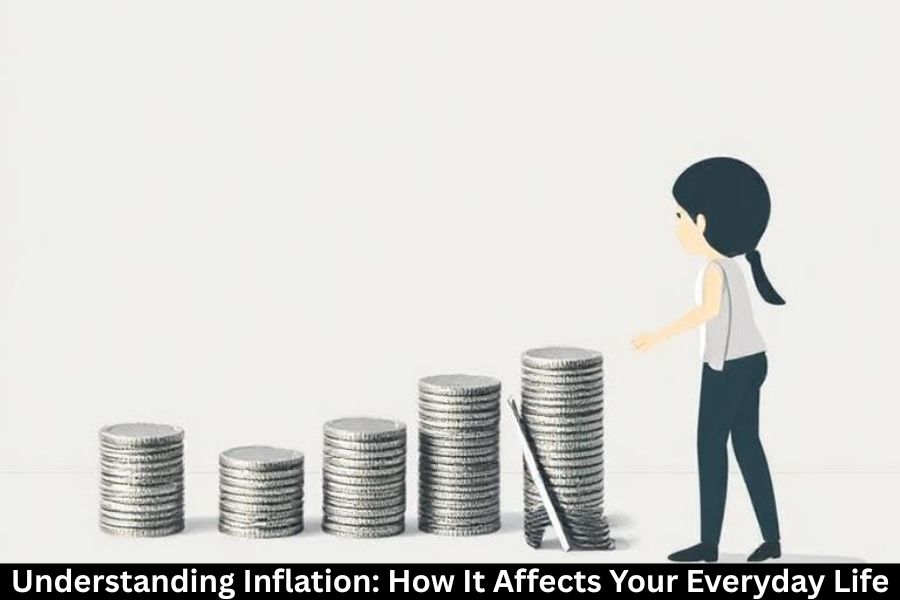
Inflation is a word we often hear in the news, but many people don’t fully understand what it means or how it affects their daily lives. In simple terms, inflation refers to the general increase in prices over time, which decreases the purchasing power of money. When inflation rises, the same amount of money buys fewer goods and services than before. While some inflation is normal in a growing economy, high inflation can put pressure on your budget and long-term financial plans.
What Causes Inflation?
Inflation can result from several factors, but the main causes are:
- Demand-Pull Inflation: When consumer demand for goods and services exceeds supply, prices rise.
- Cost-Push Inflation: When production costs (like wages, materials, or energy) increase, businesses pass those costs on to consumers.
- Monetary Factors: When too much money circulates in the economy, it reduces the value of each dollar, leading to higher prices.
Central banks, like the Reserve Bank of India (RBI) or the U.S. Federal Reserve, monitor inflation and adjust interest rates to keep it under control.
How Inflation Impacts Your Everyday Life
Inflation influences nearly every aspect of your financial life—often in ways that are easy to overlook.
Rising Cost of Living
When inflation rises, prices for essentials such as food, fuel, housing, and healthcare increase. Your paycheck might stay the same, but your expenses grow, making it harder to save or maintain your lifestyle.
Reduced Purchasing Power
Inflation means that money loses value over time. For example, if the inflation rate is 6%, something that costs $100 today will cost $106 next year. Without salary increases or smart investments, your money won’t stretch as far.
Impact on Savings
If your savings are sitting in a low-interest account, inflation can quietly erode their value. For example, if your savings earn 3% interest but inflation is 6%, your real purchasing power actually declines by 3%.
Effect on Loans and Debt
Interestingly, inflation can benefit borrowers. When inflation rises, the value of money decreases, meaning that future loan payments are made with “cheaper” dollars. However, new loans may come with higher interest rates as lenders try to keep up with inflation.
Investment Opportunities
Investing wisely can help protect your money from inflation. Assets like stocks, real estate, and commodities often rise in value during inflationary periods, helping offset the loss in purchasing power.
How to Protect Yourself from Inflation
While you can’t control inflation, you can take steps to reduce its impact on your finances:
- Invest Smartly: Consider inflation-resistant assets such as equities, mutual funds, or real estate.
- Diversify Your Portfolio: Spread investments across different asset classes to balance risk.
- Increase Your Income: Look for ways to boost earnings through upskilling, freelancing, or side projects.
- Review Your Budget Regularly: Track rising costs and adjust spending habits accordingly.
- Keep an Emergency Fund: Inflation can make essentials more expensive, so having a buffer helps you stay financially stable.
The Role of Central Banks
Central banks play a key role in controlling inflation. By adjusting interest rates and regulating the money supply, they aim to maintain stable prices. Moderate inflation—typically around 2–4% annually—is considered healthy for economic growth.
Conclusion
Inflation is an inevitable part of economic life, but understanding how it works can help you make smarter financial decisions. By budgeting carefully, investing wisely, and staying informed, you can protect your money and maintain your financial well-being—even when prices rise. Remember, awareness is your greatest tool in staying ahead of inflation.